
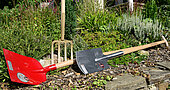
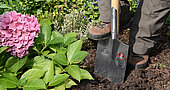
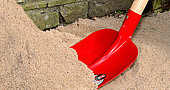
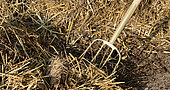


Gardening is versatile, and so are the tools you need for it. Whether you're removing weeds, working the soil, or collecting leaves, the right tools make every task easier and more efficient.
Our range of garden tools offers a wide selection for various needs. We place special emphasis on ensuring that our products are not only sturdy and durable but also make the work easier and deliver a clean result.
Whether you're looking for precision scythes and sickles for tall grass, practical garden bags for collecting leaves, or handy tool holders for better organization, we have everything you need for your garden. Should you need assistance with your selection, we are happy to help.

Garden tools by intended use

FAQ
Gardening not only provides the opportunity to harvest fresh fruits and vegetables, but also promotes the well-being of your body and mind. It’s no surprise that gardening is one of the most popular leisure activities in Germany, according to statistics. However, to ensure that this activity is truly enriching and not just a physical chore, choosing the right tools is crucial. Below are some of the most important gardening tools every hobby gardener should have:
- Spade: A spade is a versatile tool used for digging beds, uprooting shrubs, and creating holes for new plants.
- Fork: A fork is ideal for loosening and aerating the soil, especially in heavy soils. It also helps with root-friendly transplanting.
- Manure fork: A manure fork is used for spreading manure or compost, or for removing bush trimmings.
- Shovel: A shovel is essential for transporting soil, mulch, or other materials in the garden.
- Hoe: A hoe is perfect for loosening the soil and weeding in flowerbeds and between plants.
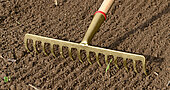
- Rake: A rake is ideal for spreading soil, smoothing beds, and loosening the top layer of soil.
- Leaf rake: A leaf rake is perfect for sweeping leaves, grass clippings, and other garden debris from lawns or walkways.
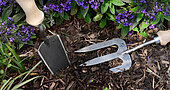
- Flower trowel: A flower trowel is a handy tool for planting flowers, seedlings, and small shrubs or for spreading fertilizer.
- Weeding hoe: A weeding hoe is specifically designed to remove weeds from the topsoil without damaging the surrounding plants.
- Rake: A rake is ideal for spreading soil, smoothing beds, and loosening the top layer of soil.
- Sauzahns (Traditional fork): A sauzahn is a traditional tool used for deep, root-friendly soil loosening without disturbing the natural soil layers.
- Cultivator: A cultivator is perfect for loosening and preparing the soil, especially before planting new plants or sowing seeds.
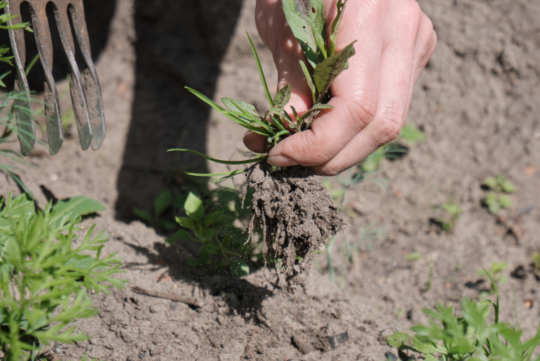
- Weed puller: A weed puller is a very useful tool for effortlessly removing dandelions, ragwort, and other deep-rooted weeds.
With this selection of gardening tools, every hobby gardener is well-equipped to care for and beautify their garden.
Material is crucial for the functionality of gardening tools for several reasons:
- Maintenance: Certain materials require more or less maintenance to maintain their performance and appearance. For example, wood can be regularly oiled or varnished to protect it from moisture and wear. Steel parts should be regularly cleaned and oiled to prevent corrosion, while stainless steel generally requires less maintenance.
- Durability and Reliability: High-quality materials like hardened steel ensure a long lifespan and reliability of tools, as they are more resistant to wear. The hardening of steel prevents bending or breaking under heavy mechanical stress.
- Effectiveness: The right material can enhance the effectiveness of a gardening tool. For example, a sharp blade made from high-quality steel allows for easier handling. Some tools feature self-sharpening edges that maintain sharpness with use through special processing.
- Comfort and User-Friendliness: Ergonomically designed handles or well-balanced tools make handling easier and reduce fatigue during longer working sessions. Wooden handles are very pleasant to the touch and provide a secure grip, while soft or padded plastic or rubber grips further enhance comfort.
- Weight and Handling: The weight of a hand tool is heavily influenced by the material used. Lighter materials like aluminum or plastic make handling easier, while heavier materials like steel require more strength but offer greater stability and wear resistance. Tool handles are often made from high-quality hardwoods like ash, a very lightweight material that is highly durable, elastic, and can absorb hard impacts.
- Adaptation to Different Tasks: Different materials are suited for different gardening tasks. Tools that are exposed to significant mechanical stress, such as cultivators or garden hoes, are made from hardened steel. Tools that need flexibility, like a fan rake, are made from high-quality spring steel, which is known for its elasticity and bendability. Some leaf rakes feature tines made from high-quality plastic, which are gentle on the surface. Depending on the application, rakes may use flexible plastic bristles or heat-resistant, durable palm fibers.
Weeding can be a tedious task, but here are some tips to make the job easier:
- Pull after rain: Weeds are easiest to remove when the soil is moist. After rainfall or watering your garden, the soil is often loosened, and weeds can be pulled out more easily.
- Wear appropriate clothing: Wear gloves to protect your hands, as well as long clothing to avoid skin irritation from certain types of weeds.
- Maintain a healthy posture: Constantly bending over to weed can lead to back pain over time. It's advisable to assume a back-friendly position. One recommended method is to kneel on one knee, with the other leg bent on the ground. You can also place a cushion under your knee for added relief.
- Pull thoroughly: Grasp the weed close to its base and pull it steadily and evenly to ensure that the roots are completely removed. Otherwise, the weed may quickly regrow. Also, remove any broken root pieces, as many weeds can regenerate from them.
- Loosen roots: If the weed has deep roots or is firmly anchored in the soil, loosen the soil around the weed using a hoe or weed puller before pulling it out. This will make it easier to pull and reduce the chance of the roots breaking, allowing the weed to regrow.
- Remove weeds when young: Young weeds have weaker roots and are easier to remove than older, well-established ones. Keep an eye out for new weeds and remove them early.
- When to weed? Weeding at the right time can save you a lot of effort! Seed-bearing weeds should be removed before they reach maturity. For root weeds, an early pass in February or March is very helpful.
- Regular weeding: Weeding regularly (ideally once a week or more) helps control weed growth and prevents them from spreading and overtaking your plants.
- Mulching: A layer of mulch around your plants can suppress weed growth by blocking the light they need to germinate.
- Proper disposal: Weeds can be disposed of in different ways. Small amounts can be safely placed in the organic waste bin. Seed-bearing weeds that have not yet flowered, as well as root weeds without roots, can be composted. Larger amounts of weeds, including flowering seed weeds and roots from root weeds, should be disposed of at a recycling center or green waste disposal site.
Loosening the garden soil offers several benefits for plant growth, including the following key reasons:
- Improved water permeability: Loosening the soil improves its structure, increasing water drainage. This helps prevent waterlogging and ensures plants receive adequate moisture.
- Increased airflow: Loosened soil allows better air circulation, improving oxygen supply to plant roots. This promotes healthy root growth and better nutrient absorption.
- Encouragement of root growth: Loosening the soil makes it easier for roots to penetrate, supporting a strong and healthy root system, which is essential for plant stability and nutrient uptake.
- Easier weed control: In compacted, untreated soil, weeds often grow faster than other plants. Regularly loosening the soil reduces the growth advantage of weeds, making it harder for them to spread. Additionally, loosening the soil makes manual weeding much easier.
- Improvement of soil quality: Loosening the soil helps break down organic matter more effectively, improving soil structure. This releases important nutrients, enhancing soil fertility and promoting better plant growth.
- Support for ecological diversity: Well-loosened soil attracts soil organisms like earthworms, which help further loosen the soil through their activities. In contrast, such organisms are rare in compacted soil, which can damage soil structure over time.
To loosen hard soil, several tools can be used, which can be divided into two groups:
If a garden soil is often muddy in the winter and as hard as concrete in the summer, this indicates a clay soil with a high clay content. Clay soils are generally fertile and retain water well. However, a high clay content can lead to severe soil compaction, making gardening more difficult.
For manual soil cultivation, there are various tools, which can be grouped into two categories:
1. Tools for loosening deeper soil layers:
In the fall and spring, it's important to work with deeper soil layers to ensure good aeration, remove deep-rooted weeds, or incorporate fertilizers. In the summer, deep cultivation should be avoided, as it may disturb plant roots and increase evaporation in the soil.
Spade: A spade can be used to either loosen or dig up deeper soil layers. Both techniques are similar but have different impacts.
Loosening: A gentle and highly effective method for loosening deep soil is using a spade. The spade is pushed vertically into the soil, and the foot is used to drive it as deep as possible. Then, the spade is moved back and forth and slightly lifted to break up the hard soil. Larger clumps of earth can be further broken down with the spade. This method allows a larger area to be loosened without disturbing the natural soil layers.
Digging up (Turning): It was once common practice to dig up the garden every year in the fall. In this process, the spade is inserted vertically into the ground, and a complete soil block is lifted and turned – loosening the earth and burying plant remains and weeds deeper. However, it's been found that digging up disturbs the sensitive ecosystem in the soil, which can reduce soil fertility and disrupt soil structure. Weeds also tend to rise to the surface during digging, and seeds that have remained deep in the soil for years may sprout.
When digging is useful:
- Heavy soils: Clay soils that are easily compacted and difficult to work with require regular digging and composting for vegetable cultivation. In the fall, digging helps loosen the soil through frost and increases air pockets.
- Creating new beds: When transforming an unused garden area into a vegetable or flower bed, digging is necessary to prepare the soil for new plant growth, but all weed roots should be removed.
- Deep soil compaction: Especially in new construction areas or heavily used land, digging can help break deep compaction and improve soil structure.
Spade fork: The spade fork is a tool for loosening very compacted soil. The sharp prongs are driven deep into the soil, and the earth is gently lifted. The compacted layers are broken up without changing the soil structure. This method allows for widespread cultivation and preserves beneficial roots and larger soil organisms, such as earthworms.
Claw hoe (Sauzahn): A Sauzahn is a garden tool with a single, sickle-shaped prong. The hard soil is loosened by pulling the Sauzahn as deep as possible horizontally through the soil. The prong is slightly wider at the tip, causing the soil to lift and break apart as it's dragged. Larger areas should be worked in parallel rows with approximately 20 cm distance, creating a diamond pattern on the surface. This is a very effective tool for deep and root-friendly loosening of soil without disturbing the natural layers. However, the Sauzahn is not ideal for weed removal, especially with clay-heavy soil.
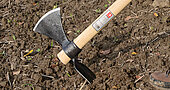
Cross hoe (Kreuzhacke): A cross hoe loosens very compact and dry soil by driving the tool’s tip deep into the ground and moving it powerfully backward. This breaks up and loosens compacted layers without disturbing the natural soil structure. The robust tip can even split stones, while the broader hoe blade can break down large clumps of soil. A highly effective tool for working through very hard soil crusts.
2. Tools for loosening the topsoil:
The upper soil layer should be regularly worked and loosened in a garden or vegetable bed. Weeds are removed, and the loose soil absorbs and retains water better, reducing the need for frequent watering in summer.
Garden hoe: The garden hoe is a 2-in-1 tool with several straight prongs (called "Karst") on one side and a hoe blade on the other. The prongs easily penetrate very hard and rocky soil, loosen the earth, and expose small weed plants. However, deep-rooted or larger weeds are often left untouched. Large soil clumps can be broken up with the hoe blade and distributed, and compost or fertilizer can be incorporated into the soil.
Garden fork (Grubber): A grubber loosens the soil crust on the surface and aerates it by pulling its three-pointed prongs through the hard ground. Smaller weeds are uprooted with their roots. However, deeper-rooted or larger weeds are left undisturbed by the grubber.